Scott 3200A Tailwheel – Fully Rebuilt: Precision Steering for Taildragger Aircraft
Scott 3200A Tailwheel – Fully Rebuilt: Precision Steering for Taildragger Aircraft
Blog Article
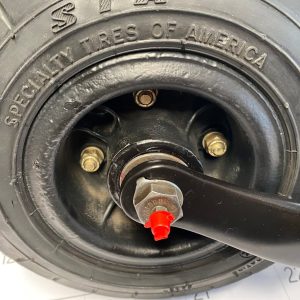
The Scott 3200A Tailwheel – Fully Rebuilt may suit classic airplanes, utility aircraft, bush planes, experimental designs, and other compatible general aviation platforms. Clear rebuild records help aircraft owners and maintenance professionals evaluate the tailwheel before installation.
The Scott 3200A Tailwheel Assembly combines wheel support, directional steering, swiveling capability, and tail-load management within one compact component. The Scott Tailwheel Assembly may contain bearings, bushings, springs, steering pawls, arms, wheel components, axle hardware, fasteners, and internal wear surfaces.
The Aircraft Tailwheel Assembly should remain properly aligned, lubricated, secured, adjusted, and compatible with the complete aircraft steering system. A General Aviation Tailwheel may be used on training aircraft, classic taildraggers, bush airplanes, utility platforms, experimental aircraft, and restored vintage designs.
Whether buyers need an Aircraft Tailwheel, Taildragger Tailwheel, or complete Aviation Tailwheel System, model identification and rebuild details should be verified.
Overview of the Fully Rebuilt Scott 3200A
The assembly can respond to normal steering input while allowing broader movement when its internal mechanism releases appropriately. The tailwheel operates together with the aircraft tail spring, steering chains or links, steering springs, rudder system, attachment bolts, and surrounding structure.
Scott 3200A Tailwheel Assembly Features
Its mechanical configuration can support directional control during normal taxiing while allowing wider turning movement when required. The quality of the finished assembly depends on component condition, correct reassembly, suitable parts, and final functional evaluation.
Evaluating a Rebuilt Scott Tailwheel Assembly
Correct lubrication and careful reassembly help restore smooth movement and reduce unnecessary wear. Cosmetic refinishing should remain secondary to mechanical condition and structural integrity.
Aircraft Tailwheel Assembly Benefits
An Aircraft Tailwheel Assembly allows the rear of the airplane to roll and respond to steering input during ground movement. A bent or fatigued tail spring can alter alignment and the aircraft’s ground attitude.
General Aviation Tailwheel Maintenance
Maintenance intervals should reflect actual operating conditions rather than calendar time alone. Experimental aircraft installations should be evaluated according to the builder’s configuration and applicable operational requirements.
Aircraft Tailwheel Steering Performance
The tailwheel contributes to directional control as the aircraft transitions between stationary, taxi, acceleration, deceleration, and landing rollout. The tire should be inspected for cuts, flat spots, cracking, uneven wear, deterioration, contamination, and correct condition.
Benefits of a Taildragger Tailwheel
Mechanical wear, poor alignment, or unsuitable steering adjustment can increase pilot workload. Responsible operation can extend Taildragger Tailwheel service life.
Aviation Tailwheel System Components
A complete inspection helps avoid unnecessary replacement and repeated troubleshooting. Excessive slack can delay steering response, while excessive tension may restrict movement or overload components.
Choosing a Tailwheel Steering Assembly
A professional rebuild should address the complete Tailwheel Steering Assembly rather than only visible exterior parts. The mechanism should not interfere with surrounding structure, chains, springs, fairings, or nearby aircraft components.
Aircraft Ground Handling Tailwheel
Poor steering response can increase tire wear, brake use, pilot workload, and difficulty in confined spaces. Ground personnel should avoid forcing the aircraft beyond suitable steering limits.
Maintaining Scott 3200 Series Components
Operators may value the availability of maintenance experience and replacement components for suitable configurations. Accurate information reduces ordering mistakes and improves buyer confidence.
Rugged Tailwheel Performance
Rugged operations may involve gravel, grass, dirt, uneven surfaces, frequent cycles, contamination, and repeated loading. Mud, dust, gravel, and water can shorten inspection and lubrication intervals.
Choosing Tailwheel Aircraft Parts
Visually similar hardware can differ in dimensions, material, strength, finish, or mechanical fit. A check here weak spring, worn bushing, rough bearing, damaged pawl, or incorrect fastener may create movement throughout the mechanism.
Benefits of an Aircraft Steering Tailwheel
The assembly should respond without excessive delay, harsh engagement, binding, or uncontrolled movement. A complete review supports reliable Aircraft Steering Tailwheel performance.
Buying a Replacement Aircraft Tailwheel
The removed assembly can provide useful measurements, markings, hardware details, and steering-arm orientation. The unit should not be installed solely because it appears clean or freshly refinished.
Buying General Aviation Landing Gear Parts
General Aviation Landing Gear Parts include tailwheels, nose gear components, main gear assemblies, wheels, tires, brakes, bearings, springs, steering parts, and mounting hardware. Known limitations and damage should remain clearly disclosed.
Scott 3200A Pre-Purchase Inspection
A pre-purchase inspection should confirm the assembly identity, rebuild scope, structural condition, included components, tire status, steering arrangement, and available documentation.
- Request photographs of the front, rear, sides, wheel, fork, steering arms, mounting area, identification marks, and loose components.
- Do not treat clean paint, fresh grease, or bright hardware as proof of a complete mechanical rebuild.
- Inspect and photograph the assembly immediately after delivery before installation, adjustment, disassembly, lubrication changes, or modification.
Installing the Scott 3200A Tailwheel
Every fastener and component should match the intended installation and remain properly secured. Any unexpected behavior should be corrected before normal aircraft operation.
A post-installation inspection can confirm hardware security and reveal early movement marks.
Protecting a Rebuilt Tailwheel Assembly
Consistent servicing protects the value of the Scott 3200A Tailwheel – Fully Rebuilt. Recurring shimmy or unusual tire wear should be diagnosed rather than addressed through repeated adjustment without identifying the cause.
Suitable lubricant should be applied at the correct locations without attracting unnecessary contamination.
Selecting a Scott 3200A Tailwheel Assembly
When professionally inspected, installed, adjusted, tested, and maintained, the Scott 3200A Tailwheel – Fully Rebuilt can become a reliable component of a compatible conventional-gear aircraft. The strongest purchase decision begins with confirming model identity, rebuild scope, replaced components, retained parts, structural condition, tire status, steering arrangement, included hardware, and aircraft compatibility.
Whether the aircraft operates from pavement, grass, gravel, dirt, private strips, utility fields, or backcountry airfields, the tailwheel should match the actual aircraft and operating environment. With transparent rebuild records, secure mounting, serviceable steering components, and careful taxi testing, the Scott 3200A can support predictable ground handling.
Report this page